
5 Profound Business Lessons from the Legacy of Dr. Martin Luther King Jr.
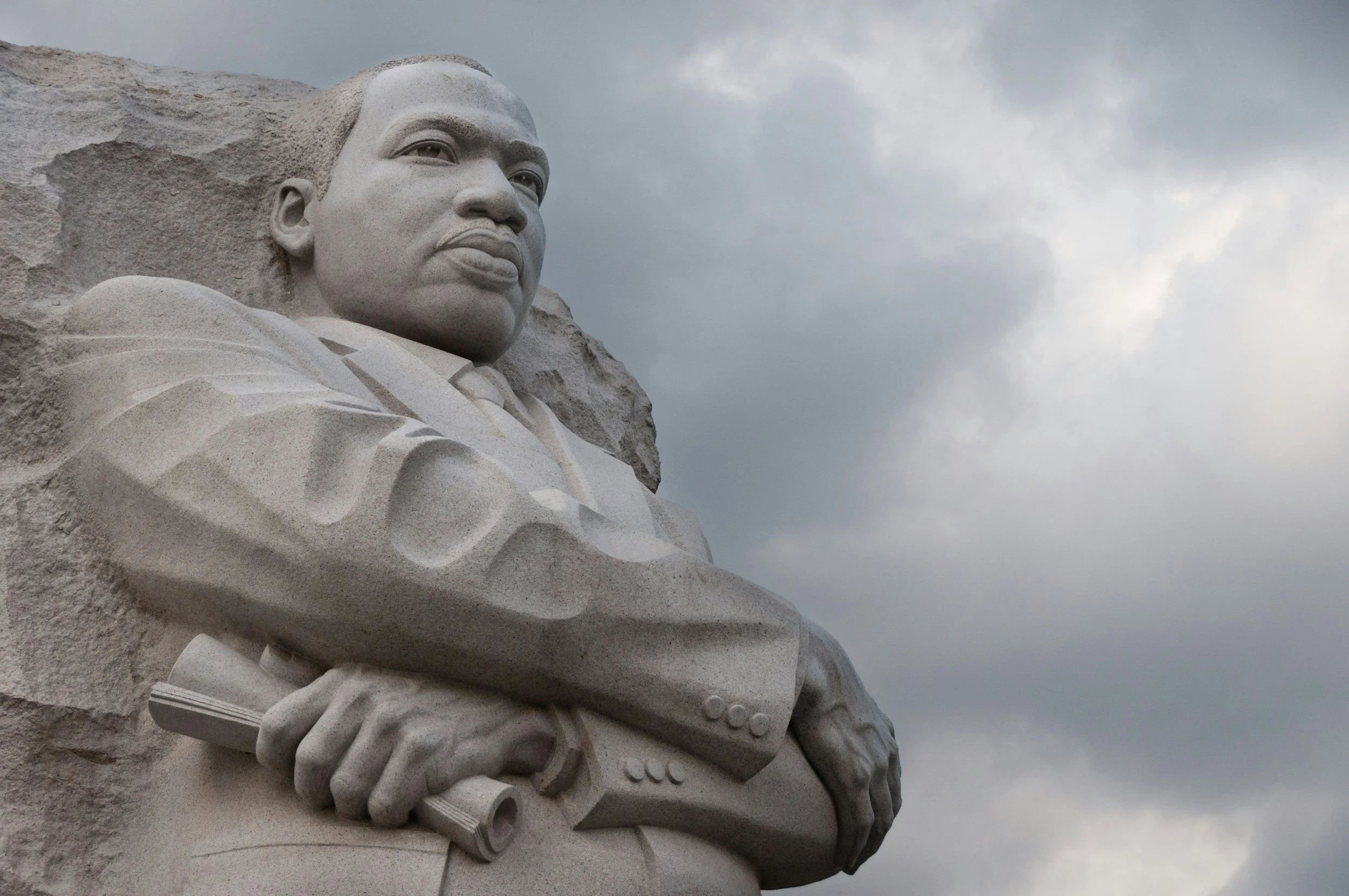
As we commemorate the enduring legacy of Dr. Martin Luther King Jr., it’s natural to reflect on his monumental impact on civil rights and social justice. However, Dr. King was also an unparalleled leader whose strategic genius, visionary communication, and unwavering resilience offer profound lessons far beyond the realm of activism. Business owners, in particular, can draw immense inspiration from his approach to leadership, organizational growth, and achieving transformative change.
This MLK Day, let's explore five powerful business principles we can extract from Dr. King's extraordinary life and apply to building more impactful, purpose-driven, and successful enterprises.
1. The Power of a "Dream" (Vision Over Tasks)
Dr. King didn't stand on the steps of the Lincoln Memorial and deliver a detailed strategic plan for policy reform. Instead, he painted a vivid, emotional, and universally resonant picture with his iconic "I Have a Dream" speech. His vision was so compelling that it galvanized millions and provided a moral compass for a generation.
The Business Lesson: Business owners often get bogged down in the minutiae of daily operations, spreadsheets, and task lists – the how. While essential, this focus can obscure the why. A true leader inspires by articulating a powerful vision that transcends mere profit or product features. This vision is the north star that guides all decisions, motivates employees through challenges, and resonates deeply with customers.
Application for Business Owners:
Craft an Aspirational Mission: Go beyond what your company does and articulate what it achieves or changes in the world. How does your product or service make life better, simpler, or more fulfilling?
Communicate Constantly: Your "dream" isn't a one-time announcement. It needs to be woven into your company culture, marketing, and internal communications. Remind your team and your customers why what you do matters.
Empower with Purpose: When employees understand how their daily tasks contribute to a larger, meaningful vision, they are more engaged, innovative, and resilient.
2. Strategic "Non-Violent" Disruption
The Civil Rights Movement, under Dr. King's leadership, was a masterclass in strategic disruption. Through non-violent protests, boycotts, and sit-ins, the movement directly challenged unjust systems without resorting to aggression. This approach forced society to confront inequities and ultimately led to legislative change.
The Business Lesson: To succeed in today's dynamic market, businesses must be constructive disruptors. This doesn't mean being aggressive or unethical; it means identifying entrenched inefficiencies, outdated practices, or unmet needs within an industry and offering a genuinely better, more innovative solution. True market leaders don't just compete; they redefine the rules of the game.
Application for Business Owners:
Identify Industry Pain Points: Look for areas where customers are underserved, processes are cumbersome, or ethical considerations are overlooked by competitors. This is your opportunity to innovate.
Innovate with Empathy: Your disruption should aim to genuinely improve the experience for your customers or the efficiency of a process, rather than simply undercutting prices or copying ideas. Focus on creating superior value.
Embrace Agility: The business landscape is constantly shifting. Be prepared to challenge your own assumptions, pivot when necessary, and adapt your strategies to remain relevant and disruptive.
3. The Strength of Coalition Building
Dr. King understood that the Civil Rights Movement was too vast and complex for any single individual or group to lead alone. He meticulously built broad coalitions, bringing together diverse groups—students, religious leaders, labor unions, and sympathetic politicians—to amplify the movement's voice and impact.
The Business Lesson: No entrepreneur or business exists in isolation. Sustainable growth and expanded influence happen through strategic partnerships, collaborative ventures, and active community engagement. By pooling resources, sharing expertise, and supporting mutual goals, businesses can achieve far more than they ever could independently.
Application for Business Owners:
Seek Complementary Partnerships: Look beyond direct competitors for businesses that serve a similar customer base but offer different products or services. Joint ventures, cross-promotions, or co-hosted events can be mutually beneficial.
Engage with Your Community: Local partnerships, sponsorships, or volunteering initiatives can build goodwill, enhance your brand's reputation, and connect you with potential customers and employees.
Cultivate a Diverse Network: Build relationships with mentors, industry peers, and thought leaders from various backgrounds. A diverse network provides different perspectives, opens doors, and fosters innovation.
4. Communication as a Catalyst
Dr. King was a master communicator. Whether delivering an impassioned sermon, writing a powerful letter from a jail cell, or engaging in media interviews, he articulated his message with unparalleled clarity, conviction, and emotional resonance. He didn't just speak; he moved hearts and minds, clarifying complex moral issues for a broad audience.
The Business Lesson: You can have the most innovative product, the most efficient service, or the most passionate team, but if you cannot effectively communicate your value proposition, your brand story, and your mission, your business will struggle. Communication isn't just about conveying information; it's about building understanding, trust, and connection.
Application for Business Owners:
Refine Your Brand Story: What is the compelling narrative behind your business? How does it resonate with your target audience's values and needs? This story should be consistent across all your marketing channels.
Master Multiple Mediums: Just as Dr. King utilized speeches, letters, and media, businesses today must leverage websites, social media, email, video, and in-person interactions to connect with diverse audiences.
Listen Actively: Effective communication is a two-way street. Actively listen to customer feedback, employee suggestions, and market trends to ensure your message is always relevant and your business is responsive.
5. Resilience in the Face of Adversity
Dr. King faced unimaginable adversity: constant threats, physical assaults, imprisonment, and relentless opposition. Yet, he consistently demonstrated unwavering commitment to his long-term vision, using setbacks not as reasons to surrender, but as fuel for further resolve and strategic recalibration.
The Business Lesson: The entrepreneurial journey is inherently fraught with challenges, failures, and moments of doubt. Economic downturns, market shifts, competitive pressures, and operational hiccups are inevitable. Resilience – the ability to bounce back, adapt, and persevere – is arguably the most critical trait separating businesses that merely survive from those that truly thrive.
Application for Business Owners:
Embrace a Growth Mindset: View failures and setbacks as learning opportunities rather than definitive endings. What insights can you gain? How can you pivot or improve?
Cultivate a Supportive Network: Lean on mentors, peers, and advisors during tough times. Sharing challenges can provide new perspectives and emotional support.
Focus on the Long Game: Remind yourself of your core vision and purpose. Short-term obstacles become less daunting when viewed through the lens of a long-term commitment to your "dream."
Dr. Martin Luther King Jr.'s legacy is a beacon for humanity, and his leadership principles transcend fields, offering timeless wisdom for anyone striving to build something meaningful. By integrating his lessons on vision, strategic disruption, collaboration, compelling communication, and unwavering resilience, business owners can not only achieve greater success but also contribute to a more just and innovative world.